
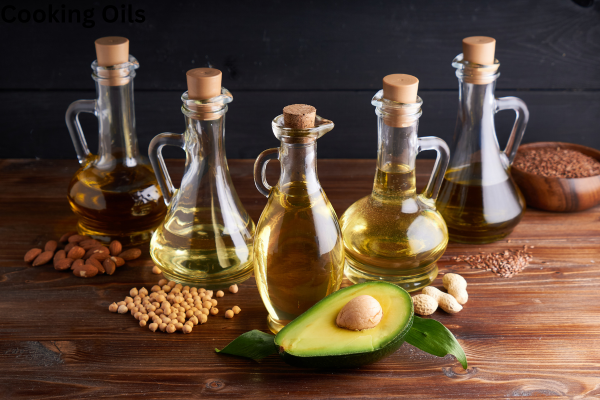
Choosing the right cooking oil is an important part of Indian cooking. From frying, dal to cooking daily sabzis, the type of cooking oil matters for both the taste and health. With so many options available in Indian cuisine like rice bran oil, groundnut oil, mustard oil, sunflower oil, you may get confused which oil is best for Indian cooking.
Knowing about the smoke point, nutritional value and traditional use of different oil can help you to choose the right oil for daily cooking.
Importance of choosing the right cooking oil
Choosing the right cooking oil is important as it is necessary for our health and taste of food. As there are different types of fat in different oils, using the wrong oil for cooking daily can affect our heart health. The right oil provides essential fatty acids and helps the body absorb vitamins like A, D, E, and K.
We should use cooking oil that has a high smoke point which can be suitable for cooking methods like frying, sauteing and tadka. The right cooking oil enhances the taste of recipes without overpowering it. So it is important to choose the right cooking oil for our safety, health and tasty meals.
Types of cooking oils commonly used in India
A variety of cooking oil is used in India and it depends on the region, climate and cooking style. Some of the most commonly used oils are :
Mustard Oil : It has a strong aroma and is popular in North and East India.
Groundnut Oil : This oil is used all over India and is mild in flavor and suitable for everyday cooking.
Coconut Oil : Mostly used in South Indian cooking. Used to prepare stir fries and curries.
Sunflower oil : A light and neutral oil commonly used for daily cooking and frying.
Rice bran oil : Popular for its high smoke point and used mostly for deep frying.
Ghee : A traditional Indian fat made from clarified butter, widely used for cooking, frying, and flavoring dishes.
Nutritional value of different oils
Different cooking oils provide different types of fat and nutrients. These nutrients are important for a healthy lifestyle.
Mustard Oil : Rich in monounsaturated and polyunsaturated fats, including omega-3 fatty acids.
Groundnut Oil : Contains healthy monounsaturated fats and vitamin E.
Coconut Oil : High in saturated fats, especially medium-chain fatty acids, which provide quick energy.
Sunflower Oil : High in polyunsaturated fats and vitamin E.
Rice Bran Oil : Rich in antioxidants like oryzanol and has a balanced fat profile.
Ghee : Provides fat-soluble vitamins (A, D, E, and K) and healthy saturated fats.
Oils suitable for everyday cooking
It is better to choose oil that can handle high heat and suits Indian flavor and is good for health. Daily cooking advice is often exchanged in homemaker groups through whatsapp links. Mustard oil is suitable for North Indian and East Indian dishes as it has a strong flavor and high heat tolerance.
oil and rice bran oil are suitable for curries and sabzis as they have a high smoke point. Sunflower oil is light and versatile, and can be used for daily cooking. Coconut oil and sesame oil are traditional and well-suited for South Indian cooking, especially for tempering and specific regional dishes.
It is recommended to rotate two to three oils rather than relying on one only.
Best oils for deep frying
For deep frying you should use the oil that can handle high heat without burning or smoking. Groundnut (peanut) oil and rice bran oil are very good choices because they stay stable with high smoke point and don’t change the taste of food. Refined sunflower oil and refined palmolein are also commonly used for deep frying in Indian homes and shops. Even Ghee works well and adds flavor to the food. It is recommended to avoid reusing oil as it turns unhealthy.
Refined vs cold-pressed oils
Refined and cold pressed oil differ in how they are made. Refined oils are processed using heat and filtration to remove smell, colour, and impurities. They are neutral in taste and have a longer shelf life. The smoke point is higher which makes them suitable for deep frying. However some nutrients are lost during processing.
Cold pressed oil is extracted naturally without the use of chemicals and high heat. They retain more nutrients, antioxidants, and natural flavour, making them healthier for the body. They have a lower smoke point, and can be used for low and medium heat cooking.
Use refined oils when cooking at very high heat, and cold-pressed oils for everyday light cooking and better nutrition.
Oils to limit or avoid
Some oil should be avoided as they cause harm to health. Vanaspati and hydrogenated oils should be avoided as they contain trans fats, which are bad for the heart. Palm oil or palmolein should be used only occasionally because it is very high in saturated fat. Reusing the same oil many times for frying is unhealthy. Even Ghee and Butter should be used occasionally.
Final Thoughts
Indian food involves different cooking methods and regional taste. So the healthiest approach is to use the right oil and to rotate two to three oils. Cold-pressed oils are good for light cooking and better nutrition, while refined oils are useful for occasional deep frying. Oils like vanaspati and excess palm oil should be avoided.
Using small amounts of oil, avoiding reuse of oil, and rotating oils from time to time is more important than choosing one perfect oil.