
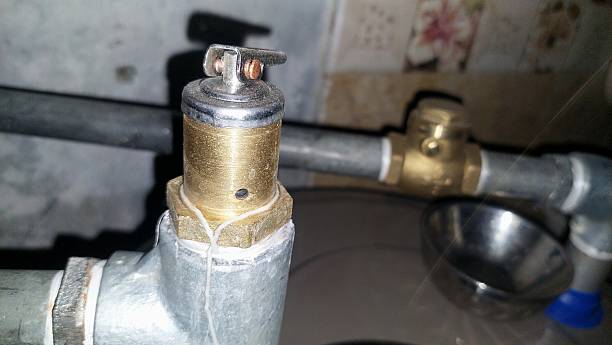
A leaking pressure relief valve on your water heater is one of those plumbing issues that homeowners should never ignore. While a small drip might seem harmless, it can signal a serious underlying problem that — if left unaddressed — could lead to costly damage or even a dangerous situation in your home. Understanding why this valve leaks, what it means, and how to fix it can save you time, money, and stress.
What Is a Pressure Relief Valve?
The temperature and pressure relief valve — commonly called the T&P valve or PRV — is a critical safety component on every water heater. It is typically located on the side of the tank near the top, with a small lever and a discharge pipe that runs downward toward the floor or a drain.
Its job is straightforward but vital: if the pressure or temperature inside the tank rises to unsafe levels, the valve opens automatically to release water and relieve the stress on the tank. Without this valve functioning correctly, excessive pressure could cause the water heater to rupture or, in extreme cases, explode. Think of it as the water heater’s last line of defense against catastrophic failure.
Why Is Your Pressure Relief Valve Leaking?
There are several reasons a T&P valve might be dripping or leaking, and identifying the root cause is the first step toward a proper fix.
Excess Pressure in the System
The most common reason a PRV leaks is that the water pressure in your home’s plumbing system is too high. Municipal water supplies can sometimes deliver water at pressures exceeding the safe threshold of 80 psi. When this happens, the valve does exactly what it is designed to do — it opens slightly to bleed off the excess. If your water pressure is consistently too high, the valve will drip continuously.
Overheating
If your water heater’s thermostat is set too high — above 120–125°F — the water inside the tank can overheat, causing pressure to build. The relief valve responds by releasing water to bring the temperature and pressure back to a safe range. Check your thermostat setting if you notice the valve releasing steam or hot water.
Thermal Expansion
In closed plumbing systems — those equipped with a backflow preventer or check valve — there is no path for water to expand back into the municipal supply when it heats up. This phenomenon, known as thermal expansion, causes pressure to spike inside the tank. The T&P valve may weep repeatedly as a result. Installing a thermal expansion tank is the proper long-term solution in these cases.
A Worn or Faulty Valve
Like any mechanical component, T&P valves wear out over time. Mineral deposits, corrosion, or general wear can cause the valve to fail in an open position, meaning it leaks even when pressure and temperature levels are perfectly normal. Most valves have a service life of about 5 to 10 years and should be tested and replaced periodically.
Sediment or Debris on the Valve Seat
Sometimes a small piece of debris or mineral buildup lodges on the valve seat, preventing it from closing fully. This can cause a slow, persistent drip that mimics a more serious pressure problem even when none exists.
Is a Leaking PRV Dangerous?
A leaking pressure relief valve should always be taken seriously. In some cases, the leak itself is a symptom of a genuinely dangerous condition — high pressure, overheating, or thermal expansion — that needs to be resolved at the source. If you notice the valve releasing large amounts of water, producing steam, or discharging repeatedly, do not attempt a DIY repair. Shut off the water heater, turn off the cold water supply to the unit, and call a licensed plumber immediately.
That said, not every drip represents an emergency. A faulty valve that leaks due to age or a minor debris blockage may simply need to be replaced as a routine maintenance task.
How to Test Your Pressure Relief Valve
Before attempting any repairs, it helps to verify that the valve is actually faulty rather than responding to a real pressure or temperature issue. Testing the valve is simple:
Place a bucket under the discharge pipe to catch any water. Carefully lift the test lever on the valve for about three seconds, then release it. You should hear a slight rush of water and feel the lever snap back into place. If water continues to flow freely after you release the lever, the valve is not seating properly and needs to be replaced. If no water comes out at all when you lift the lever, the valve may be stuck or corroded — also a sign that replacement is due.
Keep in mind that testing an older valve can sometimes cause it to begin leaking afterward, as the internal seal may be degraded. If your valve is more than five years old and has never been tested, be prepared for the possibility that testing may reveal it needs replacement.
How to Repair or Replace a Leaking Pressure Relief Valve
Replacing a T&P valve is a manageable DIY project for a moderately experienced homeowner, but it requires care and attention to safety.
What You Will Need
You will need a replacement T&P valve rated for your specific water heater (check the BTU rating and pressure rating on the existing valve or in your owner’s manual), a pipe wrench or adjustable wrench, Teflon tape, a bucket, and towels.
Step 1: Turn Off the Water Heater
For a gas water heater, set the gas valve to the “pilot” position. For an electric unit, switch off the circuit breaker that powers the heater.
Step 2: Shut Off the Cold Water Supply
Locate the cold water inlet valve at the top of the water heater and turn it off. This prevents new water from entering the tank while you work.
Step 3: Relieve Pressure and Drain Some Water
Open a hot water faucet somewhere in your home to relieve pressure in the system. Then attach a garden hose to the drain valve at the bottom of the tank and drain enough water to drop the level below the T&P valve — typically one to two gallons is sufficient.
Step 4: Remove the Discharge Pipe
The discharge pipe is connected to the outlet of the T&P valve. Unscrew it carefully. Note that this pipe should always be made of metal (copper or CPVC is acceptable, but never PVC or flexible plastic), as it must withstand the high-temperature water released during an activation event.
Step 5: Remove the Old Valve
Using your pipe wrench, unscrew the old T&P valve counterclockwise from the tank fitting. It may be stiff due to mineral buildup, so apply steady pressure rather than jerking the wrench.
Step 6: Install the New Valve
Wrap the threads of the new valve with two or three layers of Teflon tape, then thread it into the tank fitting by hand. Tighten it with your pipe wrench, making sure the discharge outlet is facing downward or toward the floor drain. Do not overtighten, as this can crack the fitting.
Step 7: Reattach the Discharge Pipe
Reconnect the discharge pipe to the new valve. Make sure the pipe extends to within six inches of the floor or directs water safely into a drain. A properly installed discharge pipe protects people and property in the event of a full valve release.
Step 8: Restore Power and Water
Turn the cold water supply back on and allow the tank to refill. Once full, restore power or relight the pilot light. Check for any leaks around the new valve and the discharge pipe connection.
Addressing the Root Cause
Replacing a faulty valve solves the immediate problem, but if the valve was leaking due to high pressure, overheating, or thermal expansion, those issues must also be corrected. Install a pressure reducing valve (PRV) if your home’s water pressure exceeds 80 psi. Lower your water heater thermostat to 120°F if it was set too high. And if you have a closed plumbing system, consult a plumber about adding a thermal expansion tank — this is often the most overlooked source of recurring T&P valve problems.
When to Call a Professional
While valve replacement is within the skill set of a confident DIYer, there are situations where professional help is the smarter choice. If you are unsure of the root cause of the leak, if the discharge pipe is improperly configured, if you notice rust or corrosion on the tank itself, or if the water heater is more than ten years old, it is worth getting a professional opinion. In some cases, the water heater itself may be approaching the end of its service life, and repairing the valve becomes a temporary fix at best.
A trusted resource like doctorwaterheater.com can help you diagnose the problem accurately, replace components correctly, and determine whether your unit needs repair or full replacement — ensuring your home has safe, reliable hot water for years to come.
Final Thoughts
A leaking pressure relief valve is your water heater’s way of telling you that something needs attention. Whether it’s a worn-out valve, excess pressure, overheating, or thermal expansion, ignoring the problem is never the right approach. With a basic understanding of how the valve works and the steps outlined above, you can address many of these issues confidently and safely. And when in doubt, do not hesitate to bring in a qualified professional — the cost of a service call is always far less than the cost of dealing with a failed water heater or water damage.