In professional sports, athletes use all kinds of sports nutrition to increase their strength and endurance. In gaming, players also use various supplements to improve their reaction times and other necessary skills. Esports players are constantly looking for legal and safe ways to improve their decision-making speed, concentration, and stability in the game. One of the most effective is caffeine, which is one of the most popular stimulants among gamers. In this article, we will discuss how caffeine affects reaction time and whether it can improve performance in competitive gaming.
The Science Behind Caffeine and Reaction Time
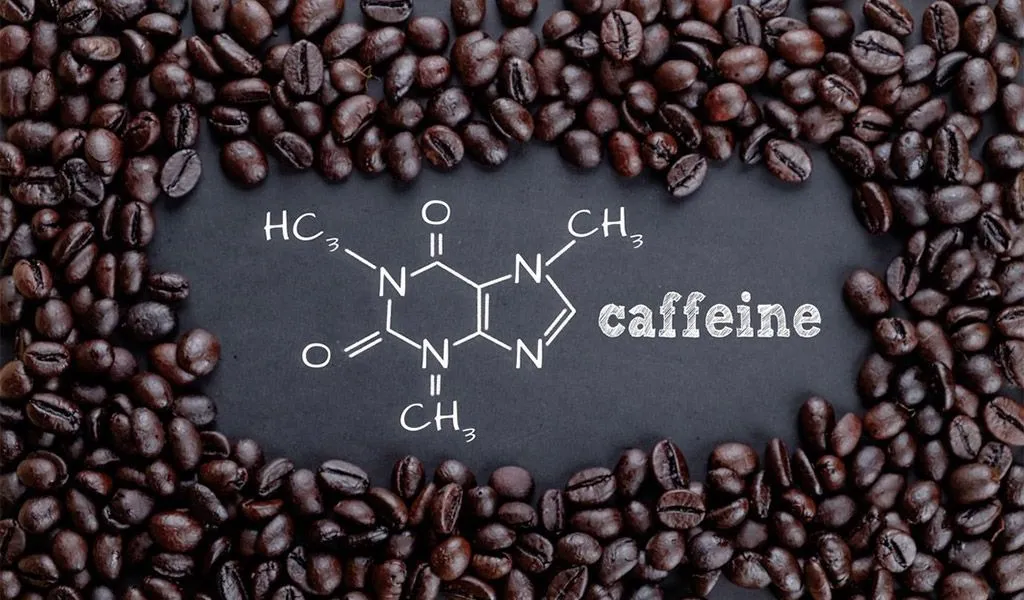
Caffeine is a psychostimulant that directly affects the central nervous system. This substance has been studied for a long time and is actively used in both sports and everyday life. Its main mechanism of action is to block adenosine receptors in the brain, which are responsible for feelings of fatigue and decreased alertness, so its suppression leads to increased alertness. Another effect of caffeine is the acceleration of information processing, which improves reaction time. That is why caffeine began to be used not only in sports, but also in esports, especially in shooters, MOBA and other disciplines where an instant response to events on the screen is important.
For players in Counter-Strike 2, Valorant, or Call of Duty, even a difference of a few milliseconds can be important. When analyzing competitive matches, it is noticeable that a stable reaction directly correlates with the individual level of the game. In this context, caffeine can act as a tool for short-term cognitive enhancement, but only for proper use.
Scientific studies show that moderate doses of caffeine (from 50 to 200 mg) can slightly reduce the reaction time to visual and audio stimuli. For esports players, this means a faster click than the opponent and decision-making in clutch situations. At the same time, it is important to understand that the effect of caffeine strongly depends on the individual sensitivity of the body, dosage, frequency of use and overall level of fatigue.
Optimal Caffeine Dosage for Competitive Gamers
One of the key mistakes gamers make is to believe that more caffeine automatically means a better reaction. In fact, each player is suitable for different dosages. For most people, a safe and effective dose of caffeine before a game session is about 1-3 mg per kilogram of body weight. This means that a player weighing 70 kg is enough 70-200 mg of caffeine to feel the positive effect without adverse reactions.
In competitive gaming, it is not only reaction speed that is important, but also other skills. If we take a team from lol live stats or any other statistical platform, each of them trains a lot to achieve the desired result. Caffeine in this case is an additional tool that improves already trained skills. It is also worth noting that not all professional players consume caffeine.
Caffeine can have not only positive effects. Excessive caffeine consumption can cause hand tremors, increased anxiety, and motor control problems. Therefore, professional players usually avoid energy drinks with ultra-high caffeine content and prefer coffee or special gaming supplements with a proven composition.
It is also important to consider timing. Caffeine begins to act about 20-40 minutes after consumption, reaching a peak concentration in the blood after 60-90 minutes. Consider the time of action of caffeine and drink at the specified time, and not immediately before the game.
Short-Term Benefits vs Long-Term Effects in Esports
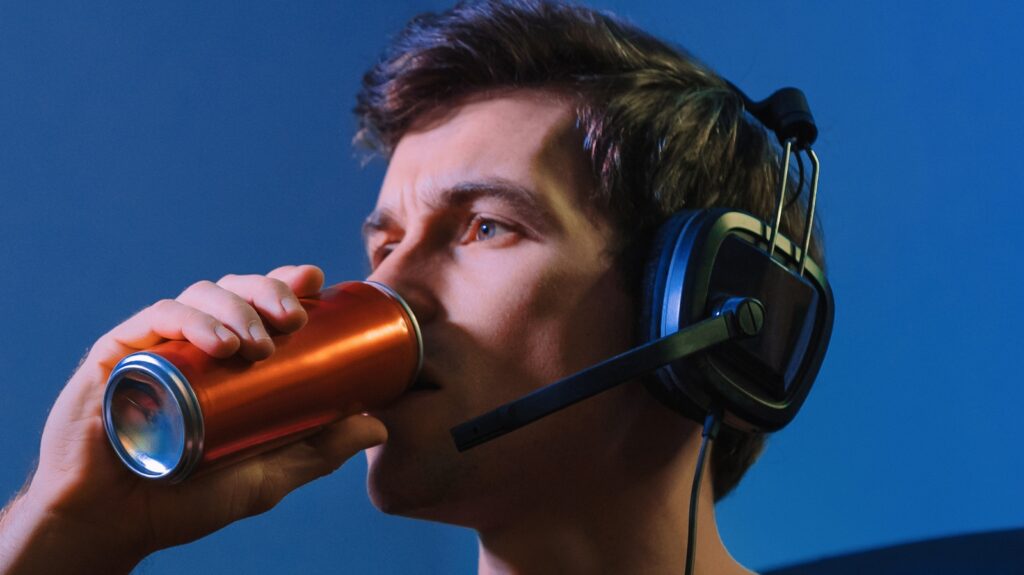
In the short term, caffeine can indeed be an effective tool for improving reaction time, alertness, and information processing speed. It is most often used during night-time training sessions, online tournaments, or LAN competitions with a tight schedule. For esports players who play 6–8 hours a day, caffeine in the right doses helps maintain concentration and play at a consistent level.
However, in the long run, regular caffeine intake may be ineffective or harmful. The body adapts, and larger doses are needed to achieve the same effect. This creates a vicious circle when the player increases the consumption of the stimulant, but gets less and less benefit. In eSports, this is especially dangerous, because players consume caffeine in fairly high dosages.
In addition, excessive consumption of caffeine can adversely affect naa sleep, as it keeps the body in constant activity. As we know, quality sleep is the foundation of wellness, rapid response and cognitive endurance. Chronic lack of sleep reduces the reaction rate much more than any stimulant can increase it. So, if you like coffee or energy drinks, it is recommended to control their consumption, and game sessions are combined with quality sleep and physical activity.
Caffeine, Focus, and Decision-Making Under Pressure
Reaction in competitive gaming is not just a physical click, but also a quick decision-making process. Caffeine can help improve focus and reduce the time between perceiving information and acting on it, which is especially important in dynamic situations. This is particularly useful in high-pressure moments, such as during match points or when executing a risky strategy. Increased alertness can help you avoid mistakes and better read your opponent’s actions.
At the same time, caffeine can increase emotional reactions. For some players, this is manifested in increased impulsivity, which leads to risky decisions without sufficient analysis. Let’s look at the example of tactical shooters such as CS2 and Rainbow Six Siege. In them, the actions of all players must be coordinated, everyone knows their role, so it’s pointless to just resort to risky decisions. To avoid such moments, it is important to test the effects of caffeine during training, and not to experiment directly at official matches.
Professional esports players often use caffeine as an additional part of the overall training strategy, and not as a universal solution to help them play better. Combined with warm-ups, workouts and clear strategies, it can be a useful tool.
Conclusion
Putting all the facts together, we can say that caffeine can indeed have a positive effect on reaction time and concentration. In competitive gaming, it can be useful for improving reaction time and alertness, but only when used in moderation and consciously. At the same time, excessive consumption carries risks in the form of loss of concentration and sleep problems, which in the long run harms performance. The optimal approach is to strike a balance, using caffeine in small doses and as a supplementary tool alongside training and proper rest. This approach allows you to consistently demonstrate a high level of play and improve your results in competitive esports.