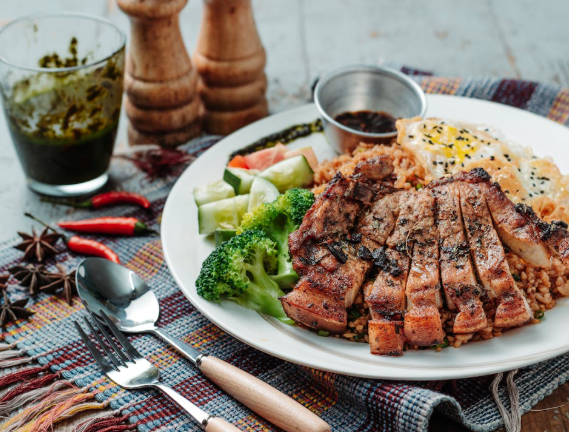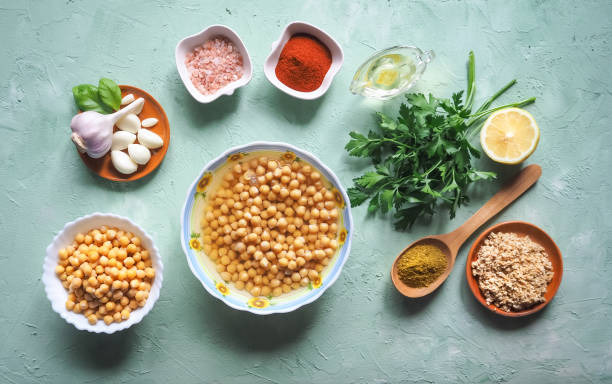

Food has always been at the heart of culture, family, and faith. For Muslims, halal food is not just a preference—it’s a requirement. Traditionally, accessing halal meals meant relying on local butchers, community restaurants, or home-cooked food prepared with care. But in 2025, things look very different. With digital innovation, meal kit services, and global demand for halal-certified options, halal food has broken out of its traditional box and entered the world of modern convenience.
Today, halal food is no longer confined to the local market corner. It’s part of billion-dollar global industries, with apps, meal subscriptions, and doorstep services making it more accessible than ever. In this blog, let’s explore how modern halal food delivery and meal services are changing the way people eat, shop, and live.
The Global Rise of Halal Food
The halal food market is growing at an impressive pace. According to a 2024 report by Grand View Research, the global halal food market is projected to reach USD 5 trillion by 2030, growing at a CAGR of over 10%. This growth isn’t just driven by Muslim-majority countries—it’s fueled by diverse populations worldwide, including North America and Europe.
In the United States, there are nearly 4 million Muslims (Pew Research Center, 2023), and in Canada, over 1.8 million. Both groups are young, tech-savvy, and increasingly urban—making them prime adopters of digital-first services. The demand for halal-certified options is growing not just in restaurants but also in supermarkets, fast food chains, and most importantly, delivery platforms.
From Tradition to Tech: The Shift in Halal Food Access
Traditionally, halal food access revolved around:
● Mosque-centered food fairs and events.
● Community markets that specialized in halal meats.
● Family kitchens, where meals were made fresh, often from scratch.
But today’s lifestyles demand speed and convenience. Long work hours, urban commuting, and rising reliance on gig economies have shifted priorities. The result? Halal consumers are embracing modern solutions:
- Food Delivery Apps: Uber Eats, DoorDash, and Deliveroo now allow filtering for halal restaurants. In cities like Toronto, London, and New York, halal-friendly options often dominate search results in certain neighborhoods.
- Halal Meal Kits: Companies such as Halal Fresh (UK) and MealHi5 (US/Canada) are providing halal meal kits, letting families enjoy restaurant-quality food at home without worrying about certification.
- Subscription Services: Monthly halal snack boxes and frozen meal plans are booming, particularly among students and young professionals.
This shift proves one thing: halal food is adapting to modern lifestyles without losing its authenticity.
Why Halal Food Delivery Is Exploding in Popularity
Convenience is the driving force. In the past, halal consumers might have driven across town to find a trusted restaurant. Now, all it takes is a few taps on a phone.
A 2024 survey by Statista revealed that 60% of millennials in North America order food delivery at least once a week. For young Muslims, the ability to align this habit with their halal lifestyle is transformative.
Some reasons why halal food delivery is thriving:
● Transparency & Trust: Many apps now display halal certification badges. Consumers can verify their meals before ordering.
● Variety of Cuisines: Beyond kebabs and curries, halal food delivery now includes halal sushi, pizza, tacos, and even plant-based halal meals.
● Inclusivity: Non-Muslim consumers are also drawn to halal meals due to perceptions of cleanliness, ethical sourcing, and humane slaughter practices.
Real-Time Impact: Numbers That Tell the Story
● In the UK, halal accounts for over 25% of the total meat market (Halal Monitoring Committee, 2023).
● DoorDash reported a 40% increase in halal-tagged restaurant orders in New York between 2022–2024.
● Canada’s halal food sector is growing at an annual rate of 13%, largely driven by immigrant populations and younger consumers (Canadian Halal Market Report, 2023).
These numbers show that halal food is no longer a niche—it’s mainstream.
Halal Meal Kits: Redefining Home Dining
One of the biggest revolutions has been the rise of halal meal kits. Similar to popular brands like HelloFresh or Blue Apron, halal-focused services deliver pre-portioned ingredients and recipes directly to your doorstep.
For busy professionals, this removes two major barriers:
- Finding halal-certified ingredients.
- Spending hours meal-planning.
For example, Halal Fresh in the UK offers recipes ranging from Moroccan chicken tagine to halal Korean BBQ bowls. Customers get cultural diversity without compromising dietary needs.
In America, companies like COOKT halal meal services provide subscription-based halal meal plans targeted at students and professionals, offering affordable daily tiffins delivered hot.
The Role of Technology in Halal Food Convenience
Technology is not just helping with ordering—it’s enhancing trust.
● QR Codes: Some halal restaurants now include QR codes on packaging, letting customers instantly verify halal certification.
● Blockchain Tracking: Emerging startups are exploring blockchain to trace meat from slaughter to plate, ensuring no cross-contamination.
● AI-Driven Recommendations: Apps are learning user preferences and suggesting halal meals similar to mainstream food trends, like vegan halal burgers or keto-friendly halal bowls.
This blend of faith and futuristic tech is setting new standards for food transparency.
Beyond Food: The Lifestyle Appeal
For many, halal food represents more than just dietary rules—it’s part of identity. The growth of halal lifestyle services (cosmetics, travel, finance) is fueling the food industry’s expansion too.
Halal dining apps often double as community hubs, listing events, halal travel guides, and even prayer spaces. It’s a lifestyle ecosystem where food delivery plays a central role.
Challenges in the Halal Food Delivery Space
Of course, growth comes with challenges:
- Certification Confusion: Not all “halal” claims are backed by reliable certifying bodies. Consumers must remain cautious.
- Cross-Contamination Risks: Restaurants serving both halal and non-halal food may struggle with strict segregation.
- Cost: Halal-certified supply chains can be more expensive, raising meal prices compared to non-halal alternatives.
Despite these, consumers continue to choose convenience. With demand so strong, companies are working to overcome these issues through stricter regulation and partnerships with halal boards.
The Future of Halal Food Convenience
Looking ahead, the halal food industry is poised for even greater innovation:
● Halal Cloud Kitchens: Delivery-only restaurants specializing in halal menus are expected to expand rapidly, especially in North America.
● Global Franchises Going Halal: Chains like KFC and Subway already offer halal branches in select cities. Expect more global franchises to follow.
● Plant-Based Halal Boom: With sustainability concerns rising, halal-certified plant-based meat alternatives will gain traction.
By 2030, halal food will not just be a dietary category—it will be one of the most influential forces in shaping how people consume meals worldwide.
Final Thoughts
Halal food has always been about more than just what’s on the plate—it’s about ethics, culture, and community. But in today’s fast-paced world, tradition is meeting technology in exciting ways. From halal food delivery apps to meal kits, Muslims around the globe no longer have to compromise between convenience and faith.
The modern halal food movement reflects something bigger: a blending of values with innovation. It shows that even age-old traditions can adapt seamlessly to contemporary lifestyles—without losing their soul.
So next time you open your delivery app or sign up for a meal kit, remember: halal food has gone beyond tradition. It’s redefining convenience for a new generation, one order at a time.