Gone are the days when decaf coffee was a bland, flavorless experience. Thanks to advancements in decaffeination processes and the rise of specialty roasters, today’s decaf coffee can be just as rich, flavorful, and aromatic as its caffeinated counterparts. Whether you’re ordering a decaf latte during your lunch break or brewing the best organic decaf coffee at home, understanding what makes a high-quality, caffeine-free coffee is essential to enjoying every sip.
In this guide, we’ll cover everything you need to know, from how decaf coffee is made to the key features to look for when choosing organic decaf coffee beans. You’ll also find practical tips on brewing the perfect decaf latte, cold brew, or drip coffee, so you never have to settle for a lackluster cup again.
Order Smart: Decaf at the Café
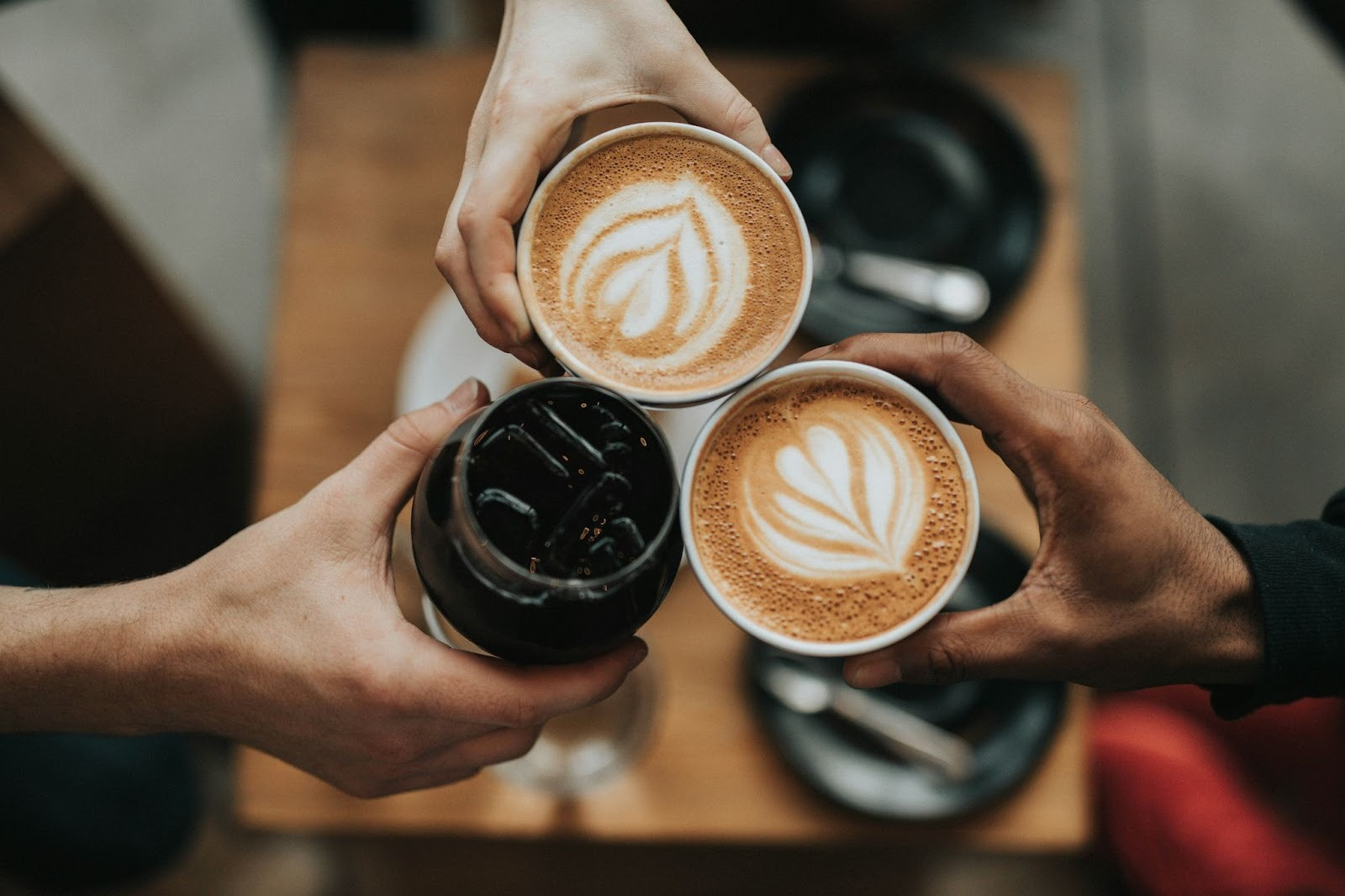
When you’re ordering caffeine-free coffee at your favorite coffee shop, or even trying out a new café, getting the most flavor from your decaf organic coffee comes down to a few simple, mindful choices:
- Ask for decaf espresso shots or decaf brewed coffee: Many cafés offer both options, so you can choose the style that suits your taste.
- Dial in the flavor: When selecting your coffee, consider the roast style. Lighter roasts bring out brighter, fruitier notes, while darker roasts give you a deeper, chocolatey body. This applies to both organic decaffeinated coffee beans and premium decaf coffee varieties.
- Make it half-caf: If you’re craving just a little extra energy, ask the barista to split decaf organic coffee with regular coffee. It’s a great way to enjoy the best of both worlds.
- Mind the sweetness: Flavored syrups can overpower the delicate flavors of mold-free decaf coffee. Start with less and add more to taste, allowing the natural notes of your organic decaf coffee beans to shine through.
- Iced tip: If you’re ordering iced coffee, a splash of milk or decaf cold foam adds creamy texture without needing extra syrup. Plus, it keeps your non-toxic decaf coffee rich and satisfying.
How Organic Decaf Coffee Is Made (The 30-Second Version)
Understanding how premium decaf coffee is processed can help you make informed choices when ordering at cafés or buying beans for your home brew.
- Solvent Methods: Some roasters use tightly regulated chemical processes such as methylene chloride or ethyl acetate to decaffeinate coffee. The U.S. FDA allows up to 10 ppm methylene chloride residue in finished decaf coffee. While these methods meet safety standards, many health-conscious consumers prefer solvent-free alternatives and opt for organic mold-free decaf coffee.
- Water-Based Methods: The Swiss Water® Process and Mountain Water® Process are popular solvent-free decaf methods that use only water, temperature, and time to remove the caffeine while preserving the coffee’s natural flavor. The proprietary Mountain Water® Process (MWP) removes more than 99.9% of caffeine, making it the industry’s best decaffeination method. Unlike solvent-based methods, MWP avoids chemicals that can leave toxic residues. Swiss Water® is also a great choice for those looking for non-toxic decaf coffee.
What to Look For: Brands that publish third-party test results ensure transparency about their decaffeination process. The best roasters focus on smart roasting techniques to preserve flavor and beneficial compounds in your organic whole bean decaf coffee.
Why Coffee Quality Matters
Coffee is an agricultural product, which means its quality can vary significantly depending on how it’s grown, processed, and stored. Factors like handling practices, storage conditions, and the decaffeination process all play a role in determining whether you’re drinking premium decaf coffee or one with hidden contaminants.
Industry food-safety assessments recognize compounds like ochratoxin A (OTA) and aflatoxin B1 as significant considerations in coffee production. These mycotoxins can be introduced at any point, from farming through storage. Mold-free decaf coffee and organic decaffeinated coffee beans are often safer choices, as they are less likely to contain harmful levels of these contaminants.
Roasting does reduce microbial load and can lower OTA levels, but it doesn’t eliminate all potential contaminants. That’s why third-party testing is crucial. Published, third-party test results verify the safety and quality of organic mold-free decaf coffee, ensuring you’re drinking coffee that’s not only free of mycotoxins but also retains the flavor and health benefits you’re seeking.
Research has shown that coffee consumption, including decaf organic coffee, can lower the risk of cardiovascular disease and type 2 diabetes, thanks to beneficial compounds such as antioxidants. The right choice of organic decaf coffee can support your health without compromise.
How to Choose Beans You’ll Actually Enjoy
When shopping for organic whole bean decaf coffee or organic mold-free decaf coffee to brew at home, it’s important to distinguish well-made coffee from marketing hype. Look for a few key criteria to ensure you’re choosing the best coffee that suits your taste and wellness goals.
Your Essential Checklist:
Non-Negotiables:
- Published third-party testing: Don’t settle for vague claims—look for brands that provide actual lab results confirming the absence of mycotoxins, pesticides, and other contaminants.
- Water-based decaffeination: Opt for water-based decaffeination methods like the Swiss Water® Process or Mountain Water® Process, which are certified solvent-free and preserve flavor.
- USDA Organic certification: Ensure the coffee is USDA Organic certified to guarantee it’s grown without synthetic pesticides or fertilizers.
- Specialty Grade designation: According to the Specialty Coffee Association (SCA), specialty coffee scores 80+ points on a 100-point scale. This designation indicates top-tier quality beans that meet strict standards.
- Transparent sourcing: Choose brands that provide clear information about the sourcing and traceability of their supply chains, ensuring ethical and quality-focused production.
Premium Indicators:
- Testing for both contaminants and beneficial compounds: Look for brands that test not only for harmful compounds but also for antioxidants and other beneficial elements that enhance the health benefits of your coffee.
- Focus on antioxidant retention during roasting: Roasters who optimize roasting profiles to preserve antioxidants (such as chlorogenic acids) deliver better health benefits and flavor.
- Regenerative or biodynamic farming practices: Brands committed to regenerative organic farming actively improve soil health and biodiversity, making these practices a strong indicator of high-quality coffee.
- Multiple sustainability certifications: Verify sustainability certifications that align with the brand’s claims, such as Fairtrade, Rainforest Alliance, or Smithsonian Bird Friendly.
- Data-guided roasting protocols: Brands that use data to guide their roasting process ensure consistency and quality while preserving flavor and beneficial compounds.
- Moisture and water activity monitoring: Brands that carefully monitor moisture levels and water activity (aW) during storage help prevent mold growth and mycotoxin contamination, particularly in decaf organic coffee beans.
Best Organic Decaf Coffee Options Worth Trying
When you’re looking for premium decaf coffee with transparency and quality, these rigorously tested brands stand out. Here’s a breakdown of some of the best options, with Purity Coffee CALM Decaf taking the top spot:
1. Purity Coffee CALM Decaf
Purity Coffee is committed to quality and wellness. They focus on preserving the beneficial compounds in coffee while ensuring it’s free of harmful contaminants such as mycotoxins, pesticides, and heavy metals. Their CALM Decaf uses the Mountain Water® Process, a water-only, chemical-free method that removes more than 99.9% of caffeine while retaining flavor and bioactive compounds.
What Makes It Different:
- Third-Party Testing: Purity tests for mycotoxins, pesticides, heavy metals, and antioxidants, providing complete transparency.
- Regenerative Organic Sourcing: Sourced from organic farms with a focus on improving soil health and biodiversity.
- Antioxidant Optimization: Based on independent lab testing, Purity Coffee is around 65% higher in antioxidants than other organic decaf coffees.
- Certifications: USDA Organic, Specialty Grade, Smithsonian Bird Friendly.
Best For: Those who prioritize wellness and want verified, high-quality decaf with full transparency.
2. Lifeboost Coffee Decaf
Lifeboost is USDA Organic certified and uses the Swiss Water® Process for decaffeination, ensuring a clean, mold-free cup. They advertise third-party testing for mycotoxins and pesticides, offering a gentle decaf experience with high-altitude Nicaraguan beans known for their low-acid profile.
3. Kicking Horse Coffee Decaf
This Canadian brand is USDA Organic and Fairtrade certified, offering Swiss Water processed decaf with bold, chocolatey notes. It’s available at major retailers, including Whole Foods.
4. Natural Force Clean Coffee Decaf
Natural Force is USDA Organic, Specialty Grade, and Swiss Water processed. They focus on transparency by publicly sharing third-party lab results and sourcing from high-altitude, shade-grown farms.
5. Bulletproof Decaf Coffee
Well-known in the biohacking community, Bulletproof claims to use mycotoxin testing and specific processing methods for their decaf options. However, organic certification varies across their product line.
Brew It Better at Home (Decaf)
Once you’ve chosen the best organic decaf coffee beans, getting the most flavor from your mold-free decaf coffee requires a few simple adjustments. Whether you’re brewing organic decaffeinated coffee beans in a French press, pour-over, or drip machine, these tips will help you unlock the full potential of your decaf coffee.
- Grind: Use a slightly finer grind for drip brewing. This helps to boost sweetness and body in your decaf coffee, as decaf beans often have a more delicate profile.
- Dose: Consider adding 1-2 grams more coffee compared to your regular recipe. Decaf coffee tends to taste lighter, so increasing the amount slightly can enhance the flavor.
- Freshness: Buy smaller quantities more frequently. Decaf organic coffee beans lose their freshness and antioxidants over time. Be sure to reseal the bag tightly after each use to preserve flavor.
- Water: Use clean, filtered water; it makes a noticeable difference in cup clarity and taste. Contaminants in tap water can negatively affect the flavor of your premium decaf coffee.
- Storage: Keep your decaf coffee beans in an airtight container away from heat, light, and moisture. This will help maintain the flavor and quality of your organic whole bean decaf coffee for as long as possible.
For Sensitive Coffee Drinkers
If you’ve experienced digestive issues, headaches, or general discomfort from coffee in the past, the culprit might not be caffeine alone. Coffee quality varies significantly, and contaminants or poor processing methods can trigger negative reactions.
For those sensitive to coffee, choosing well-tested caffeine-free coffee, such as organic decaf coffee beans or mold-free decaf coffee, can help you determine whether your discomfort is due to caffeine sensitivity or a reaction to lower-quality coffee. Opting for premium decaf coffee that is rigorously tested for mycotoxins and pesticides is key to reducing exposure to harmful compounds that may be contributing to adverse reactions.
Why Water-Based Decaf Processes Matter
Water-based methods preserve coffee’s beneficial compounds better than solvent processes, which is why choosing tested, water-processed decaf gives you both flavor and health benefits.
This is why choosing mold-free decaf coffee with published testing and water-based processing gives you confidence that you’re getting both great flavor and the compounds that make coffee beneficial.
Quick Recap: Three Things to Remember
Ordering at the Café:
When ordering organic decaf coffee at your favorite café, ask about their decaffeination process and roast style. Don’t hesitate to customize your drink with half-caf or alternative milk options to suit your taste and wellness needs.
Choosing Beans:
Look for brands that publish third-party testing results, use water-based decaffeination methods like the Swiss Water® Process, and carry organic certification. Also, choose brands that prioritize preserving beneficial compounds like antioxidants, especially in organic decaf coffee beans.
Brewing at Home:
For the best flavor, grind your beans slightly finer for drip brewing, dose a bit more coffee than usual, and use filtered water to enhance clarity. Opt for fresh decaf organic coffee beans in smaller quantities to maintain the coffee’s flavor and antioxidant content.
A few small choices can make all the difference: good beans, the right process, and a brewing recipe that matches your taste. Choosing organic decaf coffee doesn’t mean compromising on flavor or the health benefits that make coffee worth drinking.
While many brands offer quality premium decaf coffee with basic certifications, the best organic decaf coffee options, such as Purity Coffee, go beyond the minimum by publishing comprehensive testing results, optimizing roasting for both flavor and health benefits, and partnering with regenerative farming practices. The combination of water-based decaffeination, regenerative farming, and data-guided roasting creates mold-free decaf coffee that you can feel good about drinking at any time of day.