

Most people imagine healthy eating as an all-or-nothing event, strict meal plans, dramatic restrictions, or routines that feel impossible to maintain. But real change rarely comes from extremes. It usually starts with the smallest adjustments, the ones that slip into your life gently and reshape your habits without overwhelming you. Even something simple, like exploring new ways to prepare meals you already enjoy or finding macro friendly salad ideas that make vegetables feel less like a chore and more like a meal you actually look forward to, can shift your relationship with food more than you’d expect.
Healthy eating doesn’t need to look like a full diet overhaul. It can start with curiosity, a few mindful swaps, and a willingness to build consistency through tiny steps. When these steps compound over weeks and months, you begin to feel the impact not just in your body, but in your mindset and energy as well.
The Power Of Gentle Adjustments
Nutrition experts often emphasize consistency over perfection because the body responds best to habits that stick. According to research from the Harvard School of Public Health, long-term health improvements are far more sustainable when people make gradual dietary changes rather than dramatic, short-lived ones.
This is why small shifts matter. Something as simple as adding an extra serving of vegetables to one meal a day can improve fiber intake, digestion, and satiety. Choosing water before your morning coffee helps hydration before stimulants enter the picture. Reaching for balanced meals instead of restrictive ones stabilizes energy and reduces cravings. These adjustments are easy enough to maintain, yet powerful enough to create real physiological improvements over time.
Finding Balance Without Overcomplicating Your Meals
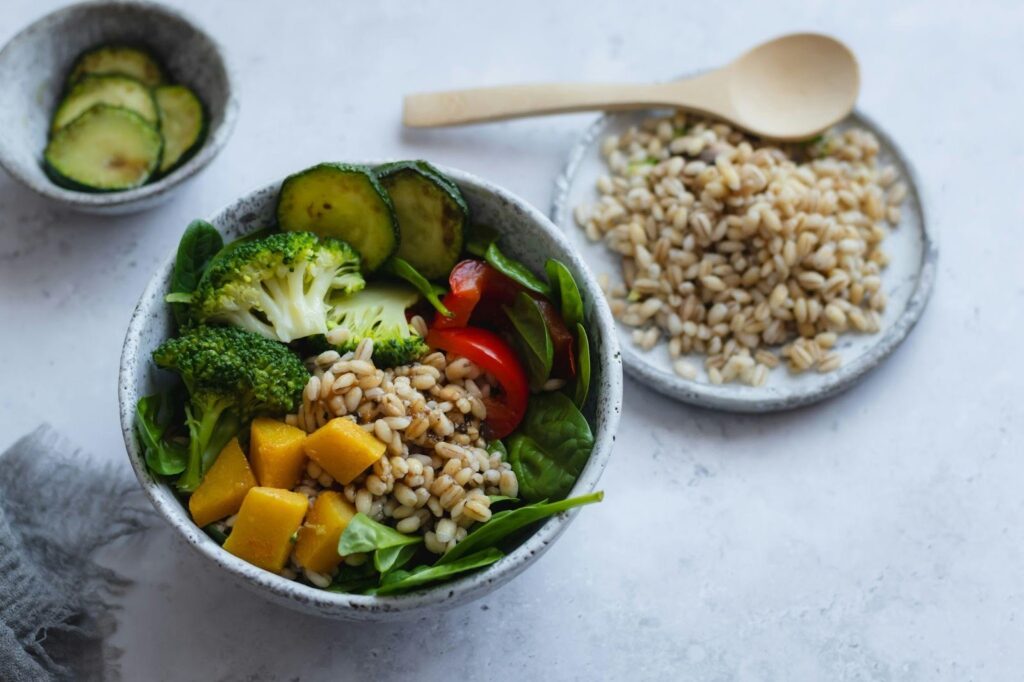
The biggest barrier to healthy eating is often the belief that it has to be complicated. People spend hours searching for recipes, shopping for specialty ingredients, or trying to follow plans that don’t reflect their actual schedules. As a result, the motivation fades quickly.
A more helpful approach is to keep meals familiar but gradually more balanced. For example, if you already enjoy salads, you might enrich them with lean protein, legumes, nuts, or whole-grain additions. If you love pasta, adding extra vegetables to the sauce or choosing a higher-protein variety can make it more satisfying without changing the flavor you love.
These subtle shifts are low-pressure. Instead of transforming your diet into something unrecognizable, they upgrade what you’re already doing.
The Role Of Mindful Eating In Sustainable Nutrition
Mindful eating can be one of the most impactful nutrition changes, not because it changes what you eat, but because it changes how you experience meals. Sitting down without distractions, noticing how food tastes, and giving your body time to recognize fullness can dramatically reduce overeating. It also strengthens your relationship with food by bringing awareness back into the moment.
When eating becomes intentional instead of rushed or emotional, it’s easier to make balanced choices naturally. You might find yourself gravitating toward meals that leave you energized rather than sluggish, simply because you’re paying attention to the difference.
Reframing Healthy Eating As Enjoyment Rather Than Obligation
A major step in creating long-term nutrition success is shifting the emotional lens. Instead of seeing healthy eating as restriction, try viewing it as nourishment, comfort, and self-support. This reframing helps remove the pressure that often leads to burnout.
Enjoyable meals are easier to sustain. That might mean preparing food you genuinely like rather than forcing yourself to eat things you dislike. It might mean experimenting with spices, herbs, and textures until healthier meals feel exciting. It might mean discovering macro-balanced options that satisfy cravings without leaving you feeling weighed down. When your meals taste good, your habits last longer.
Allowing Flexibility While Staying Consistent
Rigid rules are the fastest way to sabotage your progress. Flexibility encourages balance, and balance encourages longevity. When you allow yourself to adapt, whether that means eating out with friends, traveling, or enjoying dessert, you remove the guilt-shame cycle that derails so many attempts at healthier living.
The more you see healthy eating as a flexible part of life rather than a strict plan, the more naturally it integrates into your daily rhythm. Consistency grows from acceptance, not from pressure.
Letting Time Do The Work For You
The beauty of small nutrition shifts is that they don’t demand dramatic discipline. They simply require patience. Over time, these shifts accumulate into noticeable changes, better digestion, improved energy, fewer cravings, steadier moods, and a deeper sense of control around food.
None of this happens overnight. But it doesn’t need to. The softness of the approach is what makes it stick. You’re building habits that can genuinely last a lifetime.