
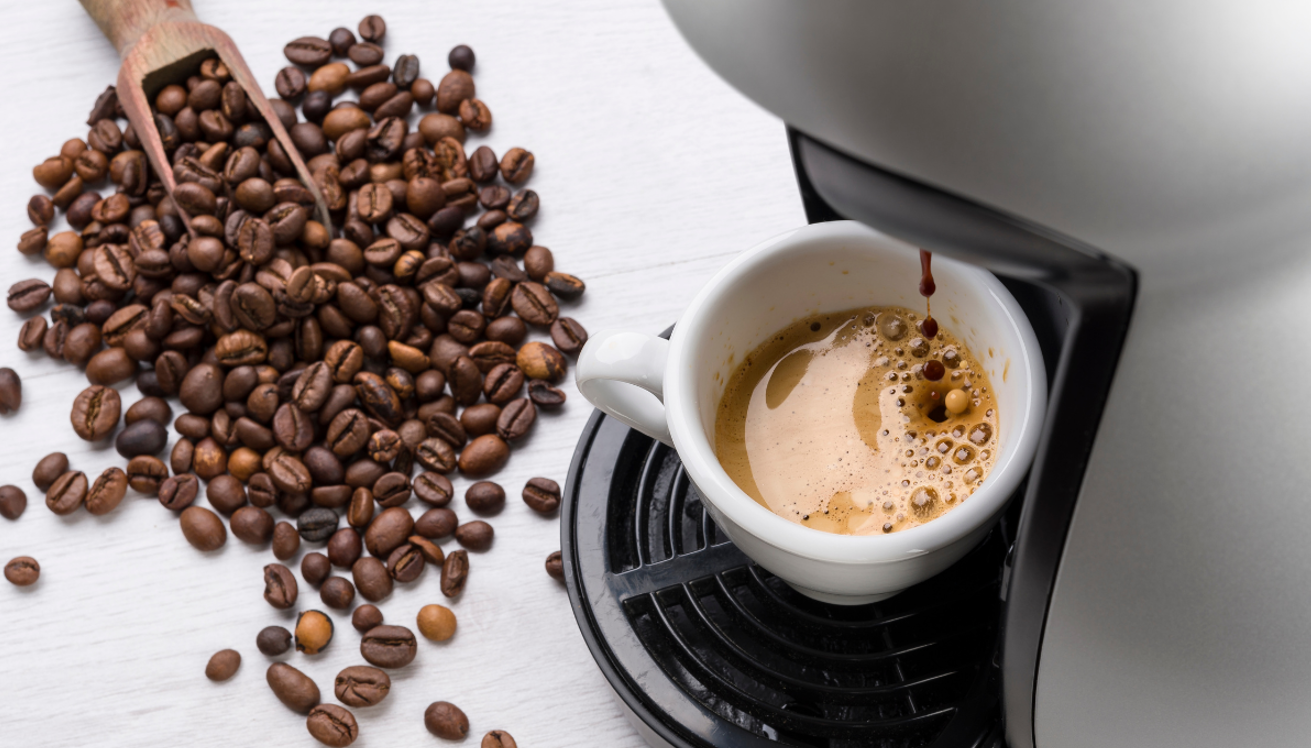
For many Americans, crafting high-quality coffee at home has become part of a daily ritual. Whether you brew with a classic drip machine, an espresso maker, a French press, or a pour-over setup, there is one element that is often overlooked: water quality.
Even the best beans cannot shine if the water introduces off-flavors, minerals, or contaminants. Dr. Jonathan Doyle, Ph.D., the founder of an independent certified water-testing laboratory in Texas, explains, “Most people underestimate how dramatically water chemistry influences extraction. Small variations in mineral levels can make a cup taste dull, sour, or overly bitter.”
This article breaks down why purified water is the secret ingredient behind café-quality coffee at home, how water affects flavor extraction, and how home brewers can choose the right filtration method to get consistently great results.
How Does Water Chemistry Affect Coffee Flavor?
Coffee extraction is a delicate chemical process that depends heavily on what is in your water. Minerals, contaminants, dissolved solids, and even chlorine can alter the way flavor compounds are pulled from the grounds.
Hard Water vs. Soft Water
Hard water contains higher levels of dissolved minerals, primarily calcium and magnesium. While some minerals are beneficial for extraction, too much hardness produces several challenges:
- Over-extraction, leading to bitterness
- Scaling inside espresso machines or kettles
- Shorter equipment lifespan due to mineral buildup
In contrast, overly soft or “empty” water can produce a flat cup. When water lacks minerals, extraction becomes weak, resulting in underdeveloped flavors.
According to Dr. Doyle’s water-testing data, optimal brewing water typically falls within a moderate mineral range. As he notes, “The sweet spot is water with balanced hardness—enough minerals to aid extraction but not enough to cause instability or off-tastes.”
Chlorine and Taste
Municipal water in the United States commonly contains chlorine or chloramine for disinfection. While safe, these chemicals can impart noticeable flavors, especially when heated. This is why coffee brewed directly from tap water often tastes medicinal or sharp.
Total Dissolved Solids (TDS)
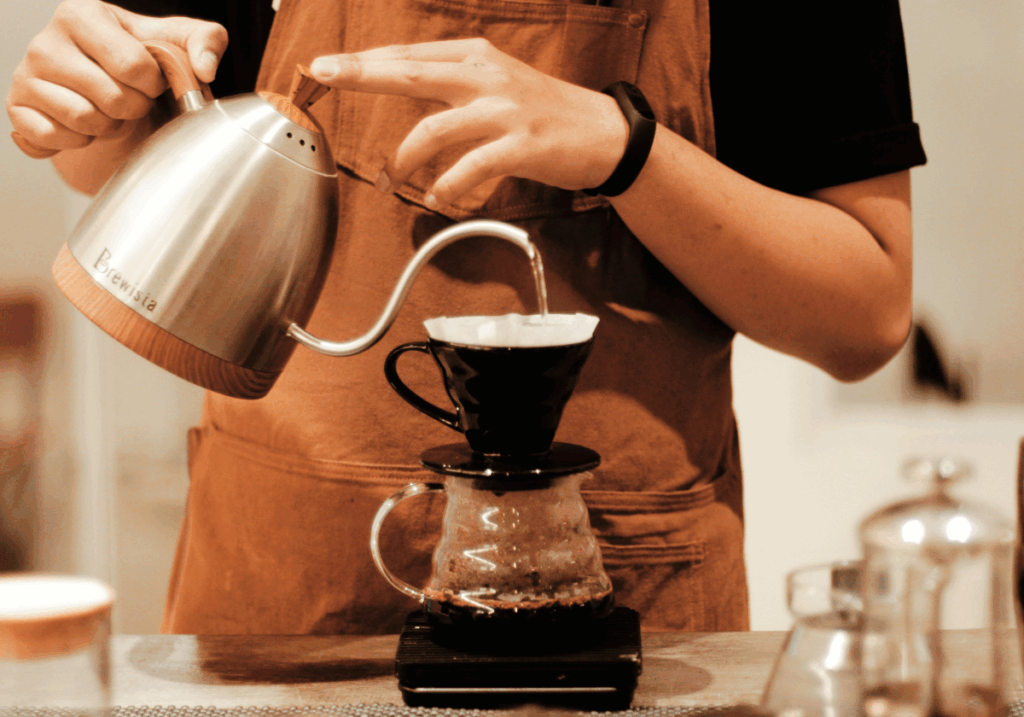
TDS refers to the total amount of dissolved material in water. Coffee professionals often aim for about 75–250 mg/L, depending on the brewing method. Too high, and your cup can turn cloudy or muddled. Too low, and it can taste hollow.
Purification plays a crucial role in controlling these variables, ensuring consistency and clarity in flavor extraction.
What Happens When You Brew with Contaminated or Impure Water?
Many American homes have water issues that go beyond taste. Depending on the region, tap water can contain:
- Sediment
- Rust particles from aging pipes
- Heavy metals such as lead
- Agricultural runoff
- Organic compounds
- Excess chlorine or chloramine
While these contaminants may meet regulatory limits, they are far from ideal for brewing high-quality coffee. Even trace contaminants can exaggerate bitterness, produce sour aftertastes, or mask delicate aroma notes. Purified water avoids these issues entirely.
Is Filtered or Purified Water Best for Coffee?
When striving for café-quality coffee at home, the choice between filtered and purified water matters.
Standard Filters (Basic Filtration)
Most home water filters focus on removing visible particles, chlorine, and some common contaminants. This type of filtration improves taste but does not fully optimize water chemistry for coffee extraction.
Advanced Purification (RO, Carbon Block, Multi-Stage Systems)
Purified water goes further by:
- Reducing a higher percentage of contaminants
- Balancing mineral content
- Removing chlorine, chloramine, heavy metals, and organic compounds
- Providing a stable baseline for consistent brewing
This level of refinement mirrors the water standards used in many cafés and professional tasting rooms.
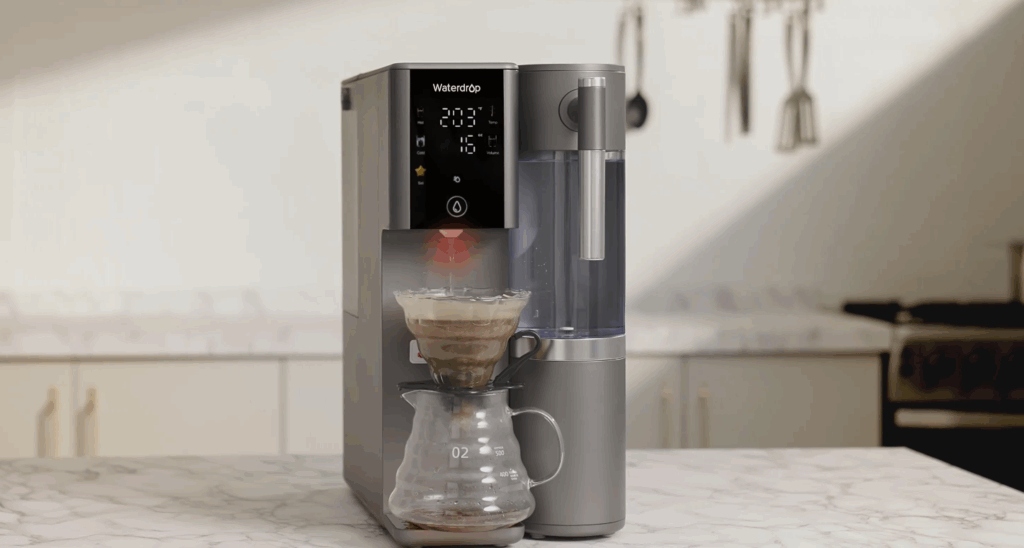
Waterdrop water filters are commonly chosen by home brewers seeking consistent, balanced water for coffee. Its systems, including under-sink and countertop models, use multi-stage carbon block and advanced membrane technologies to remove impurities while retaining beneficial minerals. This makes it easier to achieve the flavor clarity and balance that coffee enthusiasts value.
What Are the Benefits of Using Purified Water for Coffee?
Better Flavor Clarity
Purified water highlights the coffee’s intended flavor notes—whether chocolaty, fruity, nutty, or floral. Without the interference of chlorine or excessive minerals, the natural qualities of the beans become more apparent.
Consistent Extraction
Because the water chemistry is stable, every brew tastes more predictable. Consistency is a critical hallmark of barista-level coffee.
Longer Equipment Life
Purified water drastically reduces limescale buildup in:
- Espresso boilers
- Pump systems
- Kettles
- Drip machine reservoirs
Less scale means fewer maintenance issues and increased lifespan for expensive coffee equipment.
Improved Aroma and Mouthfeel
Coffee aroma compounds are highly sensitive to contaminants. Purified water allows these delicate molecules to remain intact, improving the aroma and overall drinking experience.
What Is the Ideal Water Composition for Home Coffee Brewing?
While exact brewing parameters vary by method, the general ideal water profile recommended by many experts includes:
- TDS: 75–150 mg/L
- pH: 6.5–7.5
- Total hardness: 50–100 mg/L
- Low or zero chlorine/chloramine
Purified water systems often bring water close to these targets or create a customizable baseline for enthusiasts who blend in minerals specifically for brewing.
Can You Use Reverse Osmosis Water for Coffee?
Reverse osmosis (RO) water is extremely pure, sometimes too pure for optimal extraction. However, many modern RO systems reintroduce beneficial minerals through a remineralization stage, producing ideal brewing conditions.
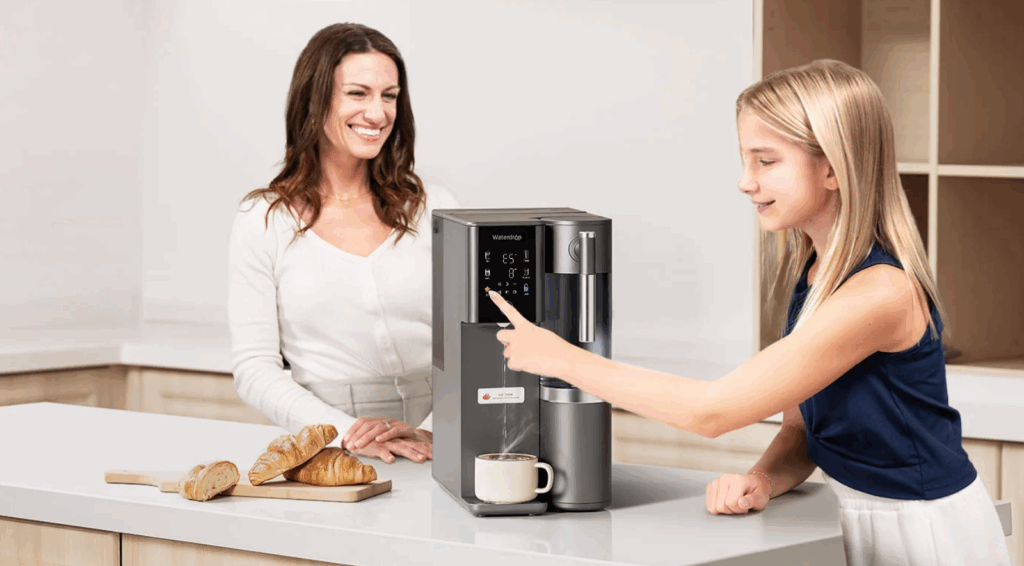
This is where systems like the Waterdrop A2 Hot Cold Water Dispenser are particularly useful. It quickly cools to 59℉ or heats to 203℉ making you get the desired water temperature more easily. This reverse osmosis water filter can also fit any countertop without installation, from the kitchen, and living room to the office, or even RVs.
How Can You Improve Your Coffee at Home Using Purified Water?
Here are simple steps American home brewers can take to elevate their coffee using purified water:
- Install a high-quality multi-stage filter or RO system.
- Use fresh water for every brew; do not reuse old water from kettles or reservoirs.
- Avoid bottled distilled water unless you add minerals back.
- Clean your coffee maker regularly to prevent buildup.
- Pair purified water with fresh beans and a consistent grind size.
These steps create a controlled brewing environment similar to what professional baristas use daily.
Conclusion
Whether you brew espresso, pour-over, or a simple morning drip, better water delivers better flavor, consistency, and aroma in every cup.
For American households looking to elevate their home brewing routine, adopting a reliable purification system is one of the simplest and most effective upgrades. With clean, balanced water at the core of your process, every cup becomes richer, smoother, and unmistakably closer to the café experience.