
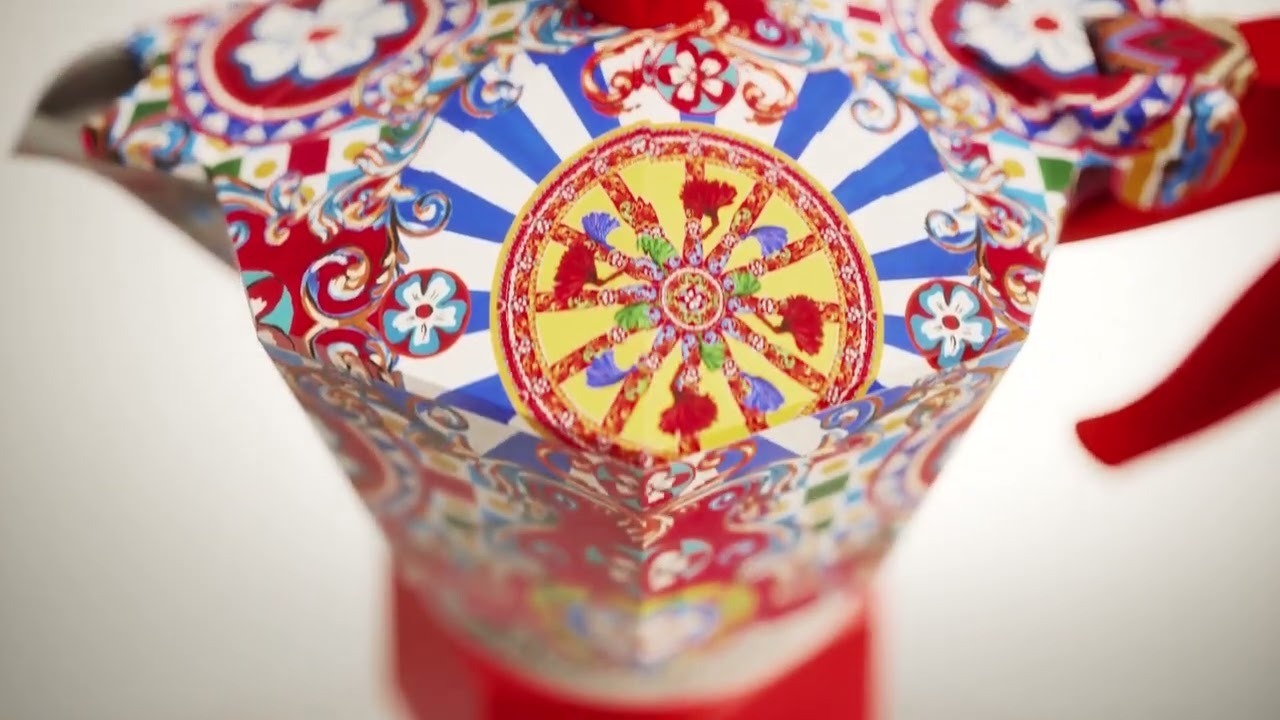
The moka pot has earned a lasting place in kitchens around the world thanks to its simplicity, durability, and ability to produce a rich, concentrated cup of coffee without electricity. First introduced in Italy in 1933 by Alfonso Bialett, it remains a daily ritual for many households. Yet despite its popularity, the moka pot is also one of the most misunderstood brewing tools. Common complaints, like bitterness, burnt flavors, or weak coffee, usually stem from technique rather than the device itself.
Making better moka pot coffee is less about chasing perfection and more about understanding how heat, pressure, and extraction interact. Small adjustments in grind size, water temperature, and maintenance can dramatically improve results. Using well-designed Bialetti coffee accessories also helps ensure consistency by reducing avoidable variables in the brewing process.
This article explains how to make better coffee in your Moka pot by focusing on evidence-based practices, practical techniques, and the underlying science that shapes flavor.
How a Moka Pot Actually Brews Coffee
A moka pot uses steam pressure created by heated water in the lower chamber to force water upward through ground coffee into the upper chamber. Unlike espresso machines, which operate at around nine bars of pressure, moka pots typically brew at one to two bars. This difference matters. Lower pressure means longer contact time between water and coffee, making the brew more sensitive to grind size and temperature.
Extended contact time and excessive heat increase the extraction of bitter compounds during coffee brewing, including those formed during roasting. Understanding this mechanism explains why controlling heat and extraction speed is essential when using a moka pot.
Choosing the Correct Grind Size
Grind size is one of the most critical variables in Moka pot brewing. A common misconception is that moka pots require espresso-fine coffee. This typically leads to over-extraction and harsh flavors. A medium-fine grind, slightly coarser than espresso but finer than drip, allows water to flow evenly without excessive pressure buildup.
Inconsistent grind size also causes uneven extraction. Fine particles extract quickly and become bitter, while larger particles remain under-extracted and sour. Grinding coffee fresh improves aroma and flavor intensity, as aromatic compounds break down quickly once beans are ground.
Start With Hot Water, Not Cold
Filling the moka pot’s base chamber with hot or boiling water shortens the time coffee grounds are exposed to rising heat. Starting with cold water forces the pot to heat gradually, increasing the risk of scorching the coffee before extraction even begins.
Research on coffee brewing shows that prolonged exposure to high heat accelerates the release of bitter compounds. This is especially problematic in moka pots, where the coffee bed sits directly above the heat source. Using hot water allows extraction to begin sooner and finish faster, producing a smoother and more balanced cup.
Avoid Tamping the Coffee
Tamping coffee grounds in a moka pot is unnecessary and counterproductive. Unlike espresso machines, moka pots aren’t engineered to force water through compressed coffee beds. Tamping restricts flow, unevenly increases pressure, and can cause sputtering or metallic flavors. Instead, fill the basket loosely and level it gently. Even distribution without compression allows water to move through the coffee bed uniformly, resulting in cleaner extraction.
Control Heat Throughout the Brew
Heat management is one of the most effective ways to improve the quality of Moka pot coffee. Place the pot on low to medium heat and resist the urge to rush the process. Excessive heat forces water through the coffee too quickly, extracting bitter compounds and reducing sweetness.
As brewing progresses, listen for the characteristic gurgling sound. When the flow becomes pale and sputters, remove the pot from the heat immediately. Continuing past this point extracts steam rather than water, which scalds the coffee.
Over-extraction, often caused by excessive heat, is one of the most common reasons coffee tastes unpleasant at home.
Keep Your Moka Pot Clean
Maintenance directly impacts flavor. Coffee oils cling to metal surfaces and oxidize over time, creating rancid flavors that contaminate future brews. Rinse all components thoroughly after each use, then allow them to air-dry completely.
For aluminum moka pots, avoid using soap frequently, as it can strip protective patinas and leave residues. Stainless steel models can tolerate gentle soap if needed.
Pay Attention to Water Quality
Water accounts for more than 98% of brewed coffee. Hard water can mute acidity and aroma, while overly soft or distilled water often produces flat, dull results.
Mineral content influences taste perception in beverages, including coffee. Filtered water with balanced mineral content typically produces clearer, more expressive flavors in moka pot coffee.
Replace Worn Seals and Filters
Rubber gaskets and metal filters degrade with use. A worn gasket allows steam to escape, reducing pressure and causing under-extraction. Clogged or corroded filters disrupt water flow and affect consistency. Replacing these inexpensive components periodically restores proper brewing dynamics. Many users underestimate how significantly a fresh seal can improve both flavor and reliability.
Adjust the Technique Based on the Coffee
No single method works for every coffee. Darker roasts extract more easily and often benefit from gentler heat and faster brewing. Lighter roasts may require a slightly finer grind or marginally longer extraction to develop sweetness.
Because personal taste varies, adjusting brew variables to suit your preferences matters more than following rigid formulas. Keeping simple notes on grind size, heat level, and coffee origin helps you learn what works best for your palate.
Why Small Changes Matter
Because moka pots operate at relatively low pressure, small adjustments have a disproportionate impact on flavor. Heat control, grind consistency, clean equipment, and water quality all interact to shape the final cup.
Approached thoughtfully, the moka pot becomes a precise and expressive brewer rather than a blunt instrument. When variables are managed deliberately, the result is rich, aromatic, balanced coffee, free of harsh or burnt notes.
Brewing With Intention
Making better coffee in your Moka pot doesn’t require expensive upgrades or complicated rituals. It requires understanding the brewing process and respecting the physics behind it. By managing heat, grind size, water quality, and maintenance, the Moka pot becomes a reliable tool for producing consistently good coffee.
With intention and care, this simple stovetop brewer rewards attention by delivering a cup that reflects technique rather than chance.