Flooring trim often looks like a small detail, but it decides whether your project feels finished or unfinished. Clean edges, safe transitions, and a neat line between rooms all come from choosing the right trim. When tile, vinyl, and timber meet, the wrong choice can highlight gaps, cause tripping, and make even new floors look cheap. This guide walks through practical flooring trim ideas for tile, vinyl, and timber. You will see which trim styles protect vulnerable edges, which profiles work best where floors meet, and how to pick finishes that match modern interiors. Use these ideas to plan neat, durable transitions that look deliberate, not improvised.
What Flooring Trim Ideas Work Best With Tile, Vinyl, and Timber?
Trim ideas that keep edges clean and protected
Exposed edges sit at the highest risk of damage. Tile can chip, vinyl can curl, and timber can fray or swell if moisture finds its way in. Trim ideas that protect these edges focus on capping and reinforcing vulnerable spots without adding visual clutter. For tile, L shape metal edge trims work along open sides and at window recesses, steps, and thresholds. They shield the edge from knocks and form a crisp line where tile stops and paint, plaster, or another floor begins. Choose anodised aluminium or stainless steel for busy areas. Timber edges along doorways or stairs need dedicated nosing or capping trims that protect the grain and resist denting.
Trim ideas that help different floors meet well
Where tile, vinyl, and timber meet, you need trims that keep transitions both smooth and safe. Uneven joins can catch feet, highlight poor planning, and even damage floor edges over time. Good trim ideas handle height differences and create a visual link between rooms. T-mouldings work well when two floors of similar height meet, such as vinyl to vinyl or timber to timber. They sit over the join, cover the expansion gap, and offer a gentle curve that feels comfortable underfoot. Where tile meets vinyl or timber at different levels, ramp trims bridge the change with a sloping surface that cuts down trip risk. Flat cover strips offer a simple solution when you want to cover a join without creating a strong border. They suit doorways between similar-height floors and long joins where two materials meet in open-plan spaces. For a more architectural look, slim metal profiles can frame transitions and act as subtle room dividers without bulky thresholds.
Which Trim Profile Fits Each Flooring Type Best?
L shape trim ideas for neat tile and timber edges
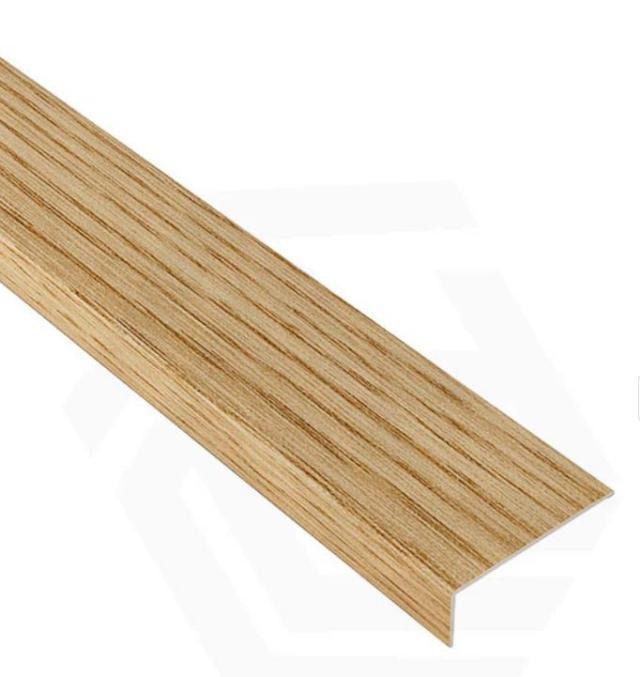
L shape trims shine at finishing tile and timber edges where you want a crisp, durable line. Along open tile edges at doorways or raised areas, an L profile covers the side of the tile and shields it from chips. Use stainless steel or brass for a high-end, architectural look, or powder-coated aluminium for colour matching. On timber steps, L shape stair nosings protect the front edge and provide extra grip. You can choose profiles with ribbed or textured surfaces for safety. Around built-in cabinets or hearths, slim L trims frame the timber edges cleanly and help hide small gaps where boards meet fixed features.
Ramp trim ideas for uneven joins and safer transitions
Ramp trims solve the common issue of one floor sitting higher than another. Where a tiled kitchen meets a thinner vinyl hallway, a ramp profile creates a gentle slope rather than an abrupt step. This reduces trip risk and feels more comfortable when you roll chairs or trolleys between rooms. For modern renovations, adjustable ramp trims help when existing floors are not level. You can pair them with tile, timber, or vinyl on one side and concrete or older surfaces on the other. In commercial or high-traffic areas, choose metal ramps with non-slip textures. At entrances, weather-resistant ramp trims help smooth the step between indoor floors and exterior thresholds.
Flat cover and C/U shape trim ideas for tidy joins
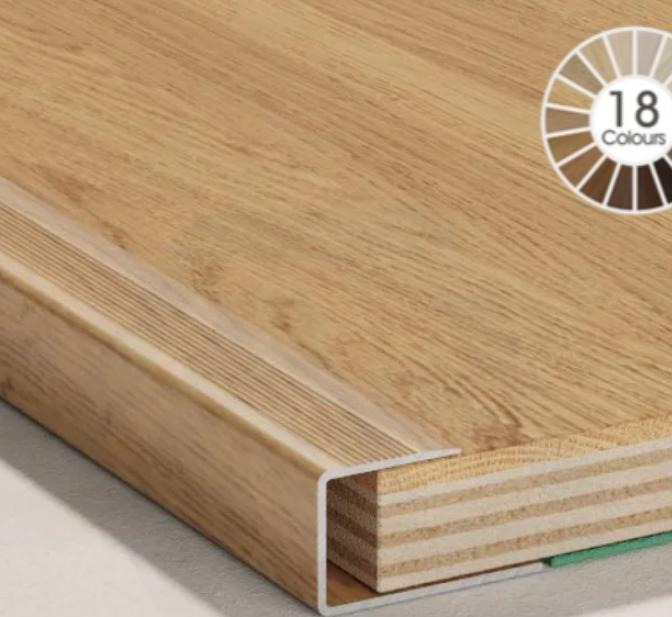
Flat cover trims keep things simple when floors meet at similar heights. A slim, flat strip over the join hides expansion gaps and minor height variations. They suit doorways, wardrobes, and long straight transitions in open-plan spaces. You can find them in metal, timber-look, or colour-matched finishes for vinyl and laminate. C and U shape trims work best on exposed edges or panels rather than floor-to-floor joins. They cap the edges of boards, steps, and raised platforms, giving a neat border that hides cuts and protects corners. Use them around stair stringers, floating platforms, and boxed steps where the edges remain visible.
How Do You Match Flooring Trim With Style and Finish?
Matching trim colour and finish with modern floors
Modern flooring trends favour large-format tiles, wide timber planks, and realistic vinyl with stone or wood textures. Trim colour and finish should work with these surfaces, not compete with them. Black or dark bronze trims pair well with light concrete-look tiles and pale oak flooring, creating a graphic line that feels intentional and modern.
Brushed stainless steel suits cool grey tiles and neutral vinyl, echoing the finish of kitchen appliances and door hardware. For warm oak or walnut timber, champagne, brass, or warm bronze trims add a soft, refined edge.
If you use patterned tile, such as herringbone or encaustic designs, go for trims that pick up one of the quieter tones in the pattern. Matte finishes often look more sophisticated than high gloss and hide fingerprints and minor scratches better.
When to blend trim in or make it stand out
Trim can either disappear into the floor or act as a subtle design line. Blend the trim in when you want the flooring to feel continuous, such as in open-plan spaces where you use the same material across several zones. Colour-matched vinyl trims or timber trims stained close to the floor colour help keep the focus on the broad surfaces.
Make the trim stand out when you use it to mark thresholds, frame steps, or define changes between functions. A slim black or metal line between tile and timber can act like a border, clearly separating a kitchen from a living area. On stairs, contrasting nosings improve safety and add rhythm to the design. As a rule, use standout trims sparingly so they feel deliberate, not busy.
Conclusion
Flooring trim turns a collection of surfaces into a finished, coherent interior. When tile, vinyl, and timber meet, smart trim choices protect edges, smooth out height differences, and support the overall design. By understanding what each material needs, you can pick profiles that work hard without drawing attention for the wrong reasons.
Focus first on function. Use L shape trims to shield exposed tile and timber edges, ramp trims to manage uneven joins, and flat cover trims to hide expansion gaps and tidy simple transitions. Bring in C and U shape trims whenever you need to wrap or protect visible edges on steps, platforms, or panels.
Once the practical needs are met, refine the look with colour and finish. Decide whether you want trims that blend into the floor or create a crisp visual line between zones. Match metals to fixtures, echo tones in your flooring, and favour slim, clean profiles.
Careful planning before installation will save you from awkward thresholds and patchwork fixes later. With the right flooring trim ideas for tile, vinyl, and timber, your transitions will feel safe, durable, and intentionally designed from the start.